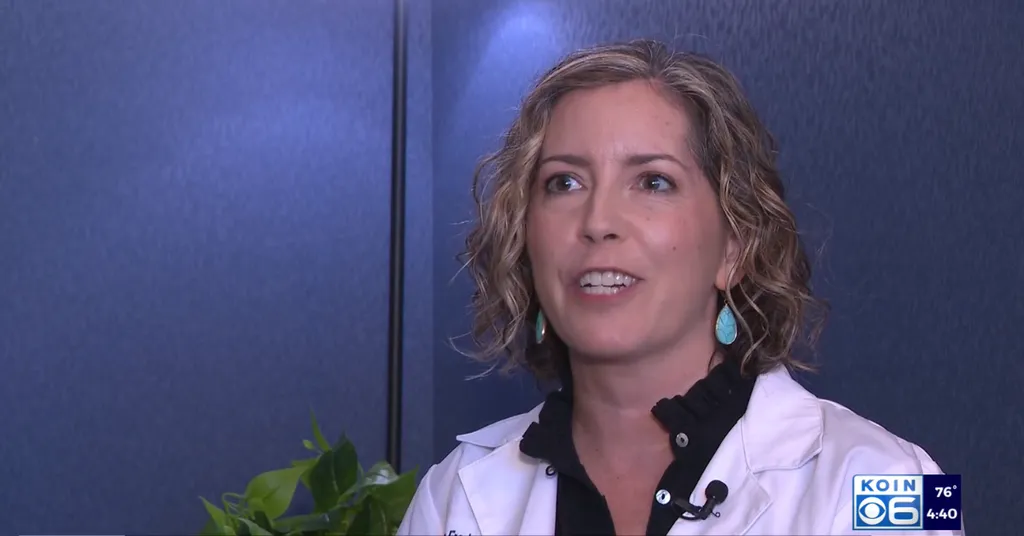
Dr. Emily Rangel talks to KOIN 6 about the new openness around menopause
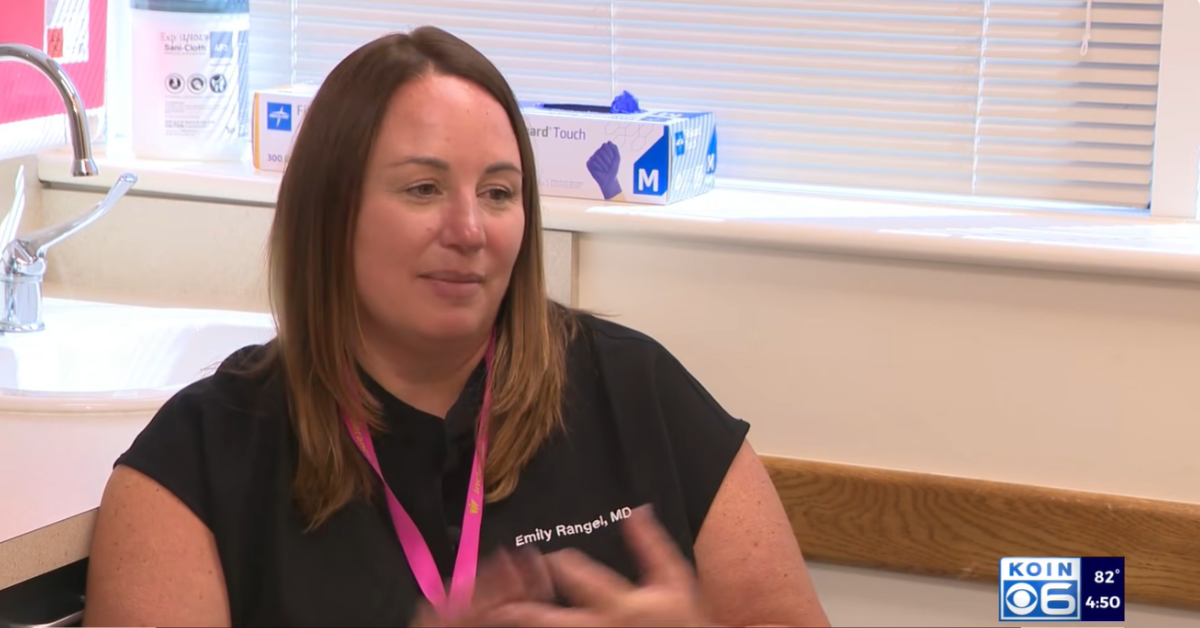
More people than ever are talking openly about perimenopause and menopause, and KOIN 6’s Elizabeth Dinh sat down with WHA’s Emily Rangel, MD to talk about what a once-taboo conversation becoming mainstream means for patients. As Dinh notes, it’s not just women or even just patients anymore; a lot of guys are talking about this big topic too.
“I do think the increased awareness has been a tremendous gift honestly to women,” Dr. Rangel said, because it normalizes symptoms people have searched so long to explain. Some are well known, like hot flashes and weight gain, while others don’t seem tied to perimenopause and menopause at all. “People talk about itching feet, joint pain, mood changes, just a whole huge gamut of symptoms that can all be linked to hormonal changes,” she explained.
Dinh reports that Dr. Rangel and her colleagues admit the topic wasn’t covered as intensely as others back in med school. That’s changed in recent years, and at WHA, Dr. Rangel has noticed more patients coming in already well-informed, thanks to books, social media and podcasts covering everything from hormone therapy to products and programs aimed at helping women.
She did offer a caution about navigating all of that information. People at this stage of life are in a vulnerable place, searching for answers to symptoms that don’t necessarily make sense, and some out there are using non-FDA-approved medications and supplements to try to fix them. She stresses the importance of looking for FDA-approved treatments and having a conversation with your healthcare provider about anything you’re researching.
For Dr. Rangel, patients starting those conversations is the best part. “I think for a long time we were very private about many things: pregnancy loss, hormone therapy, contraception, all these things, and I think we’ve come so far,” she said. “I love that my patients are coming in and asking about this and starting the conversation, and I love talking to them about it.”
Dinh closed the segment with advice worth keeping in mind if you begin treatment. Hormone therapy isn’t one and done; it can take time to feel the effects, and doses may need adjusting down the road. What you eat and drink plays a role too, since things like caffeine and alcohol may affect you differently than they used to.
Want to learn more? Explore our perimenopause and menopause article series on WHA’s blog or visit Perimenopause, Menopause & Beyond.